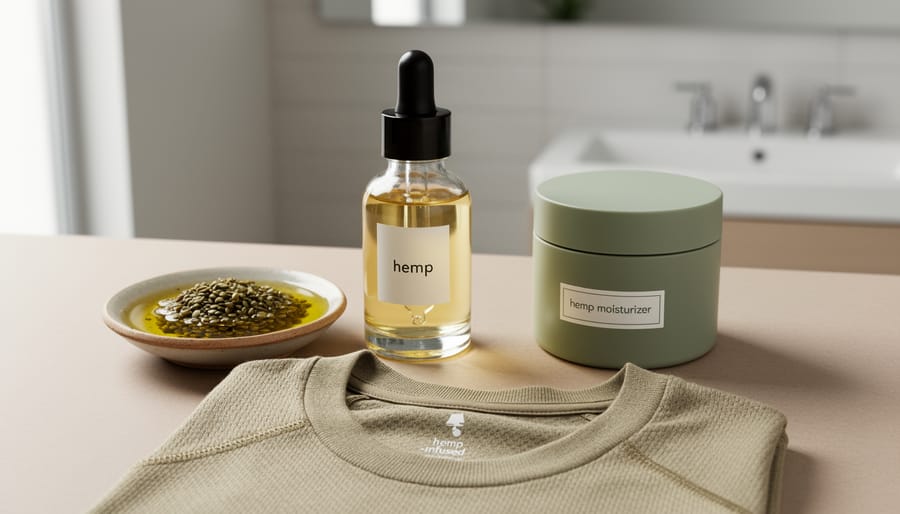
Exhale Wellness online and similar retailers have made hemp-derived skincare and wellness fashion one of the fastest-growing lifestyle movements of 2026, combining the natural anti-inflammatory properties of hemp extracts with clothing designed to support your body’s balance throughout the day. This isn’t about chasing trends. It’s about integrating products that actually work into your daily routine, from moisturizers rich in omega fatty acids to athleisure infused with hemp fibers that regulate body temperature.
The appeal is simple: hemp delivers real benefits without the guesswork. Skincare formulations harness cannabidiol (CBD) and hemp seed oil to calm redness, hydrate deeply, and protect skin from environmental stressors. On the fashion side, hemp textiles offer durability, breathability, and a softness that improves with every wash. These pieces look polished enough for the office yet practical enough for weekend errands.
What makes this movement different from past wellness fads is its accessibility. You don’t need a complete lifestyle overhaul or a six-figure budget. Start with a single face serum or a hemp-cotton tee, and build from there. The products integrate seamlessly into what you’re already doing.
This article will walk you through exactly what hemp-derived skincare and wellness fashion offer, how to identify quality products that justify their price tags, and practical ways to incorporate them into your existing wardrobe and beauty routine. You’ll learn which ingredients matter, which marketing claims to ignore, and how to style hemp-based pieces so they feel natural rather than costume-like. Whether you’re curious about the science or simply want to know if that hemp hoodie is worth the investment, you’ll find clear answers here.
What Makes Hemp-Derived Skincare Different (And Why It Matters)
Hemp-derived skincare works differently than conventional beauty products because it delivers active compounds that interact with your skin’s endocannabinoid system, a network of receptors that helps regulate inflammation, oil production, and cellular turnover. When you apply a hemp-derived serum or moisturizer, cannabinoids like CBD bind to these receptors, potentially calming redness, balancing sebum levels, and supporting your skin’s natural repair processes.
The star players in hemp skincare each bring distinct benefits. CBD (cannabidiol) has gained attention for its anti-inflammatory and antioxidant properties, making it particularly useful for sensitive, acne-prone, or aging skin. Hemp seed oil, pressed from the plant’s seeds, contains an ideal ratio of omega-3 to omega-6 fatty acids that mirrors the lipids in human skin, allowing it to absorb quickly without clogging pores. Other cannabinoids like CBG (cannabigerol) are emerging in formulations for their antibacterial qualities, while terpenes, aromatic compounds from the plant, add both scent and therapeutic effects.
What sets these ingredients apart from conventional actives is their multi-tasking nature. Where you might need separate products for hydration, inflammation, and oil control, hemp-derived ingredients address multiple concerns simultaneously. A CBD moisturizer can hydrate dry patches while soothing irritation and protecting against environmental stressors, three jobs in one formula.
The sustainability angle matters just as much as the skin benefits. Hemp grows rapidly without demanding excessive water or pesticides, and the entire plant can be utilized, seeds for oil, stalks for fiber, leaves for extracts. This efficiency means less agricultural waste and a smaller environmental footprint compared to conventional beauty ingredients that require intensive farming practices.
For your skin, hemp-derived products tend to work with your biology rather than against it. They support your skin’s existing functions instead of overriding them with harsh chemicals. This gentler approach often means fewer adverse reactions and better long-term results, particularly for people who have struggled with sensitivity to traditional skincare formulations.
Hemp-Infused Beauty Products Worth the Hype
Reading Labels Like a Pro
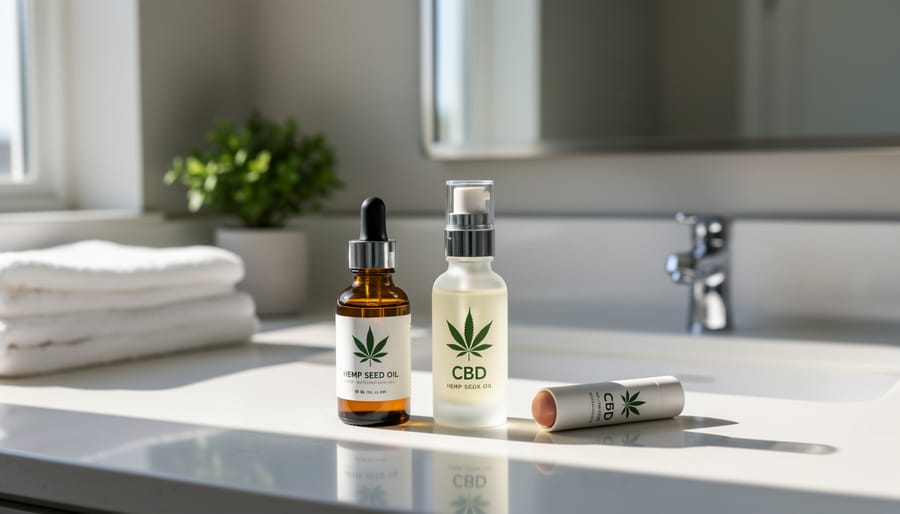
The ingredient list tells you everything you need to know if you know what you’re looking for. Hemp seed oil and hemp extract (which contains CBD) should appear in the first five ingredients if the product genuinely relies on hemp’s benefits. If hemp shows up after the tenth ingredient alongside a dozen synthetic fillers, you’re buying marketing more than meaningful skincare.
Watch for the concentration percentage on CBD skincare products. Anything less than 100mg per container probably won’t deliver noticeable results. Reputable brands list the exact milligrams of CBD or hemp extract on the label, not vague terms like “infused with hemp” or “contains cannabis sativa.”
Third-party lab testing is your greenwashing detector. Quality products include batch numbers and certificates of analysis you can verify online. These tests confirm what’s actually in the bottle and prove the product contains no pesticides or heavy metals, which matters since hemp absorbs whatever’s in the soil.
Be skeptical of products that conflate hemp with antimicrobial beauty or make medical claims about curing skin conditions. Hemp-derived ingredients can soothe inflammation and hydrate skin, but any brand promising to heal eczema or erase wrinkles is overstepping legal boundaries and likely exaggerating benefits.
Check the source, too. Hemp grown in the U.S., Canada, or Europe follows stricter agricultural standards than products with murky origins.
Wellness Fashion: When Hemp Meets Your Closet
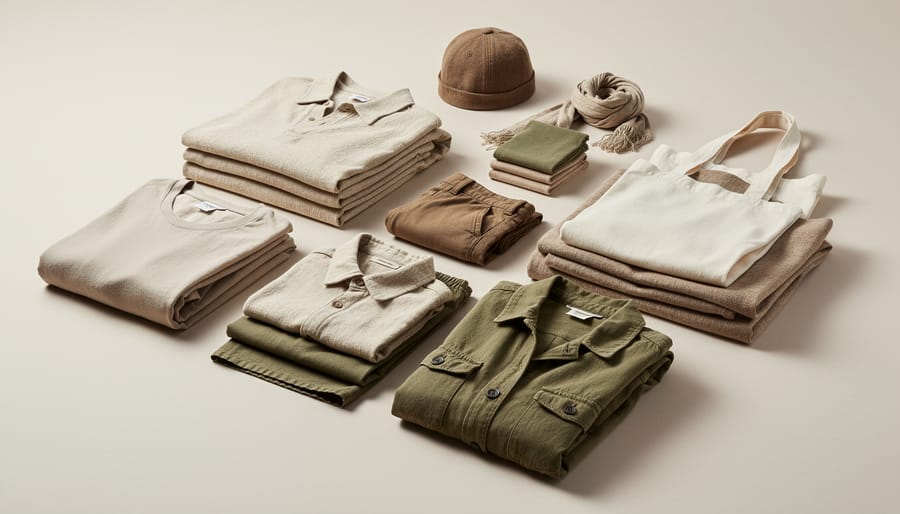
The same hemp plant revolutionizing your bathroom shelf is making waves in fashion circles, and the clothes aren’t what you’d expect. Hemp fabric has quietly evolved from its crunchy, counterculture roots into a sophisticated textile that’s showing up in everything from breezy summer dresses to structured blazers. Unlike the scratchy burlap stereotype, modern hemp clothing feels soft against your skin while delivering the kind of durability that makes fast fashion look wasteful.
Hemp textiles share DNA with the skincare movement, both celebrate what this versatile plant can do when processing methods respect its natural properties. The fabric breathes beautifully in warm weather, wicks moisture away from your body, and actually gets softer with each wash instead of falling apart after a season. It’s also naturally resistant to mold and UV rays, which means your favorite hemp pieces will outlast their conventional cotton counterparts by years.
- Hemp Linen
- A lightweight, crisp fabric made from long hemp fibers that drapes elegantly and works perfectly for warm-weather garments. It wrinkles easily but softens dramatically over time.
- Hemp Cotton Blends
- Combines hemp’s durability with cotton’s familiar softness, typically in ratios like 55% hemp to 45% cotton. These blends offer an accessible entry point for anyone new to hemp textiles.
- Wet Processing
- A traditional method that uses water and natural enzymes to soften hemp fibers, resulting in luxuriously smooth fabric without harsh chemicals.
- Mechanical Processing
- Uses physical methods to break down hemp stalks into usable fibers. This approach requires no chemicals but can produce slightly coarser textures.
What makes wellness fashion different from standard eco-fashion is the intentional connection between what you put on your skin and what touches your body all day. The conversations around fashion at TBFF have highlighted how sustainable materials need to deliver on both ethics and aesthetics. Hemp clothing checks both boxes, it’s grown with minimal environmental impact and looks genuinely stylish when designed with modern cuts and silhouettes.
The texture varies depending on how the hemp is processed and what it’s blended with. Pure hemp can feel similar to linen with a slightly more substantial hand, while hemp-silk blends offer an almost luxurious drape. You’ll find hemp in casual basics like t-shirts and joggers, but also in tailored pieces that hold their shape through countless wearings. The fabric takes dye beautifully, so you’re not limited to natural earth tones if that’s not your style.
Styling Hemp Fashion Without Looking Like You’re Wearing a Burlap Sack
Let’s be honest, when most people think of hemp clothing, they picture scratchy, shapeless pieces that belong at a 1970s commune, not your modern wardrobe. That mental image couldn’t be further from what hemp fashion actually looks like in 2026.
Modern hemp textiles have come a long way. Today’s hemp fabrics are soft, breathable, and drape beautifully. They’ve been blended with organic cotton, linen, or even Tencel to create pieces that feel luxurious against your skin. The key is knowing how to work them into your existing wardrobe without overthinking it.
Start with versatile basics. A hemp-blend tee or tank works exactly like your favorite cotton version, but it gets softer with every wash and naturally resists odors. Pair it with denim or tailored trousers, and you’ve got an effortlessly pulled-together look. Hemp button-downs in neutral tones layer beautifully under blazers for work or over swimsuits for weekend outings.
For a more elevated approach, look for structured pieces. Hemp blazers and wide-leg trousers in darker shades read polished and professional. The natural texture of hemp actually adds visual interest without feeling costume-y. Style these with your regular accessories and footwear, hemp doesn’t demand a complete wardrobe overhaul.
Dresses and jumpsuits in hemp blends work particularly well because the fabric’s slight weight creates flattering lines without clinging. Add a leather jacket and ankle boots, and the hemp element becomes a subtle texture note rather than the outfit’s focal point.
The secret to making hemp fashion work is treating it like any other natural fabric in your closet. Mix it freely with pieces you already love. Hemp’s neutral, earthy tones complement everything from bold prints to minimalist monochromes. You’re building a wardrobe, not making a statement about your lifestyle choices, unless you want to.
The Sustainability Story Everyone’s Talking About
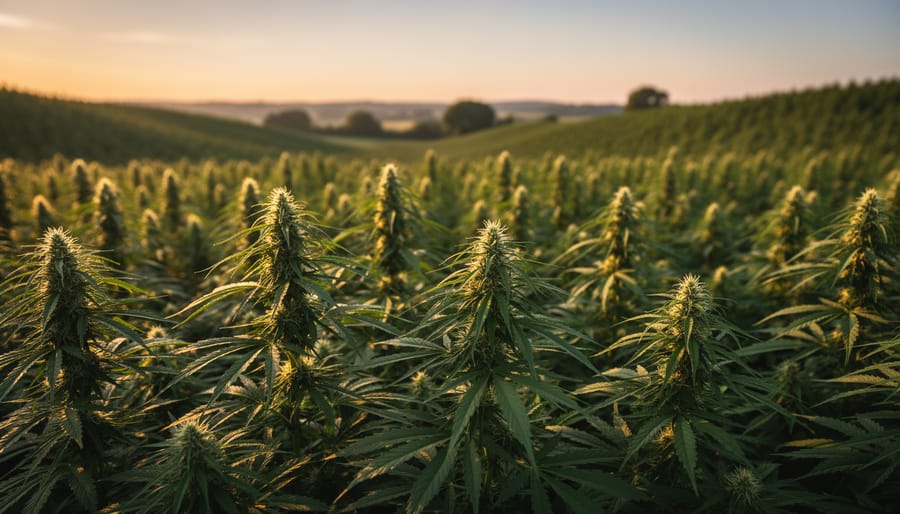
Hemp isn’t just another buzzword in the sustainability conversation, it’s genuinely earning its green credentials through measurable environmental advantages that matter for both your skincare shelf and your closet.
The water story alone is compelling. Hemp requires roughly half the water that cotton needs to grow, thriving with natural rainfall in most climates. While conventional cotton gulps down thousands of gallons per pound of fiber, hemp grows quickly and efficiently without irrigation systems or constant watering. For beauty products, hemp seed oil extraction similarly uses less water than many conventional cosmetic ingredient processing methods.
Pesticides? Hemp barely needs them. The plant grows so densely and vigorously that it naturally suppresses weeds, and its inherent pest resistance means farmers can skip the chemical treatments that contaminate groundwater and harm ecosystems. Compare that to cotton, which accounts for roughly 16% of global insecticide use despite covering just 2.5% of cultivated land. When you’re applying hemp-derived skincare to your face or wearing hemp fabric against your skin, you’re avoiding the chemical residues that linger in conventionally grown alternatives.
Hemp’s carbon footprint impresses too. The crop absorbs more CO2 per hectare than most commercial plants, essentially breathing in greenhouse gases while it grows. A hemp field actively works to offset the carbon costs of harvesting, processing, and shipping the final products.
Biodegradability closes the loop. Hemp fabric breaks down naturally without releasing microplastics into waterways, unlike synthetic athletic wear. Empty skincare containers are the real problem, not the hemp ingredients inside, but knowing your moisturizer’s star component returns to earth rather than persisting as pollution offers some consolation.
These aren’t abstract environmental talking points. They’re practical reasons why choosing hemp-derived products actually shifts your personal impact.
Building Your Hemp-Derived Lifestyle: Where to Start
Starting your hemp-derived journey doesn’t require a complete beauty overhaul or wardrobe purge. The most successful transitions happen when you integrate new products and pieces gradually, letting them prove their worth in your existing routines.
Begin with what needs replacing anyway. That moisturizer running low? Try a hemp-infused version next. Those jeans with the blown-out knee? Consider hemp denim for your replacement pair. This approach spreads costs over time and prevents buyer’s remorse if something doesn’t work for your skin type or style.
- Replace one skincare product with a hemp-derived alternative, starting with something basic like a body lotion or cleanser where results are obvious but stakes are lower than facial serums.
- Test the product for at least three weeks before adding another hemp item, your skin needs time to adjust, and you need time to assess whether you actually like it.
- Add one hemp clothing piece in a neutral color that works with multiple outfits you already own, making integration effortless.
- Seek out brands with a message that align with your values, checking their sourcing transparency and customer reviews before purchasing.
- Build slowly toward a complete self-love routine that incorporates hemp products where they genuinely enhance your experience, not just for trend’s sake.
Budget-wise, hemp products span every price point. Drugstore hemp hand creams cost under fifteen dollars, while luxury hemp face oils can run over a hundred. Hemp t-shirts start around thirty dollars, though designer pieces command significantly more. Set a monthly exploration budget, even twenty-five dollars lets you try something new without financial stress.
Watch for sample sizes and discovery sets from beauty brands, which let you test multiple products inexpensively. For clothing, check return policies carefully since hemp fabric feels different from what you’re used to, and fit matters when you’re building confidence in a new material.
Hemp-derived products aren’t asking you to overhaul your entire life or commit to a specific aesthetic. They’re simply offering another option in how you approach beauty and style, one that happens to align with growing interest in plant-based ingredients and sustainable materials.
What makes this trend worth paying attention to is its flexibility. You might start with a single CBD-infused moisturizer because your skin needs extra calming support. Or perhaps you add a hemp linen shirt to your wardrobe because you love how it breathes in summer heat. There’s no rulebook dictating you must embrace every aspect of hemp-derived living, no checklist to complete before you’re “doing it right.”
The beauty and fashion industries have spent decades telling us we need to follow rigid formulas. Hemp-derived products represent something different: a chance to choose what genuinely works for your skin, your comfort, and your values without apology. Whether you’re drawn to the skincare benefits, the environmental story, the textile performance, or simply curious about trying something new, you get to decide what hemp means in your routine.
Start small if you want. Go all-in if that feels right. Mix hemp pieces with your existing favorites. The point isn’t perfection or purity, it’s finding what makes you feel good when you look in the mirror and slip into your clothes each morning. That’s the real transformation hemp offers.